How to Match Eight Trigrams Names from Three-Line Patterns
A focused guide to eight trigrams names, with facts, practical checks, context, and clear limits.
Quick Answer: To match eight trigrams names, use one complete three-line pattern. A trigram name alone does not determine an outcome.
Eight Trigrams Names evidence record
- Input
- To match eight trigrams names, use one complete three-line pattern.
- First step
- Count the three line positions from the bottom upward.
- Pattern check
- Record whether each position is solid or broken.
- Lookup result
- Match the completed pattern to one of the eight trigram names.
- Claim limit
- A trigram name alone does not determine an outcome.
Step 1: write the pattern used to match eight trigrams names
Step 1: write the pattern used to match eight trigrams names is the point where the reader should slow down and identify the exact object, date, label, or action in front of them. For eight trigrams names, the useful starting fact is to match eight trigrams names, use one complete three-line pattern. This keeps the explanation tied to something a reader can actually check instead of turning the topic into a broad promise.
Context changes how that fact should be used. Count the three line positions from the bottom upward. A careful reader records the source, the relevant date or material detail, and any family or regional variation before drawing a conclusion. That small discipline is the information gain of this section: it replaces a quick assumption with a repeatable check.
The practical boundary matters as much as the definition. This page uses eight trigrams names as cultural, symbolic, instructional, or reference language; it does not manufacture certainty about health, personality, ancestry, compatibility, luck, or future events. Keep the verified detail, compare it with the linked guide, and use current real-world evidence for decisions outside this page's scope. For step 1: write the pattern used to match eight trigrams names, retain the section's own evidence note as the deciding record rather than substituting a neighboring section's rule.
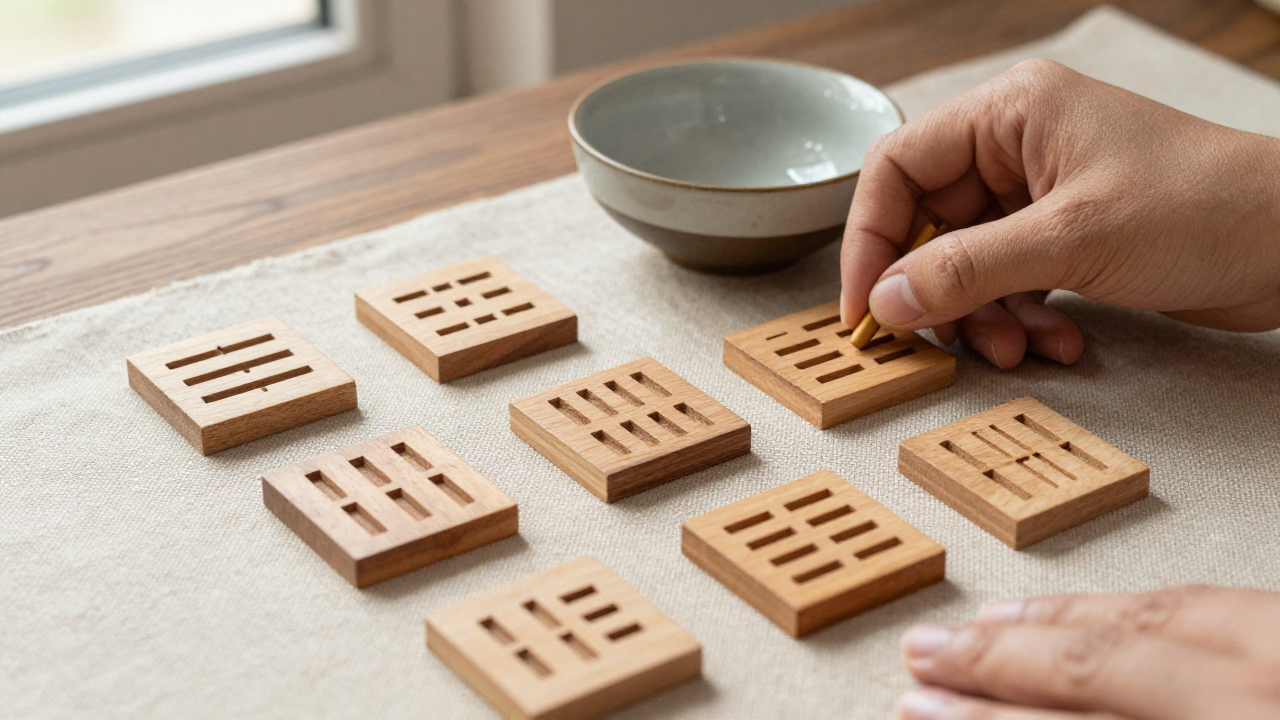
Step 2: count positions from the bottom
Step 2: count positions from the bottom is the point where the reader should slow down and identify the exact object, date, label, or action in front of them. For eight trigrams names, the useful starting fact is count the three line positions from the bottom upward. This keeps the explanation tied to something a reader can actually check instead of turning the topic into a broad promise.
Context changes how that fact should be used. Record whether each position is solid or broken. A careful reader records the source, the relevant date or material detail, and any family or regional variation before drawing a conclusion. That small discipline is the information gain of this section: it replaces a quick assumption with a repeatable check.
The practical boundary matters as much as the definition. This page uses eight trigrams names as cultural, symbolic, instructional, or reference language; it does not manufacture certainty about health, personality, ancestry, compatibility, luck, or future events. Keep the verified detail, compare it with the linked guide, and use current real-world evidence for decisions outside this page's scope. For step 2: count positions from the bottom, retain the section's own evidence note as the deciding record rather than substituting a neighboring section's rule.

Step 3: record each solid or broken line
Step 3: record each solid or broken line is the point where the reader should slow down and identify the exact object, date, label, or action in front of them. For eight trigrams names, the useful starting fact is record whether each position is solid or broken. This keeps the explanation tied to something a reader can actually check instead of turning the topic into a broad promise.
Context changes how that fact should be used. Match the completed pattern to one of the eight trigram names. A careful reader records the source, the relevant date or material detail, and any family or regional variation before drawing a conclusion. That small discipline is the information gain of this section: it replaces a quick assumption with a repeatable check.
The practical boundary matters as much as the definition. This page uses eight trigrams names as cultural, symbolic, instructional, or reference language; it does not manufacture certainty about health, personality, ancestry, compatibility, luck, or future events. Keep the verified detail, compare it with the linked guide, and use current real-world evidence for decisions outside this page's scope. For step 3: record each solid or broken line, retain the section's own evidence note as the deciding record rather than substituting a neighboring section's rule.

Step 4: match the pattern to a trigram name
Step 4: match the pattern to a trigram name is the point where the reader should slow down and identify the exact object, date, label, or action in front of them. For eight trigrams names, the useful starting fact is match the completed pattern to one of the eight trigram names. This keeps the explanation tied to something a reader can actually check instead of turning the topic into a broad promise.
Context changes how that fact should be used. A trigram name alone does not determine an outcome. A careful reader records the source, the relevant date or material detail, and any family or regional variation before drawing a conclusion. That small discipline is the information gain of this section: it replaces a quick assumption with a repeatable check.
The practical boundary matters as much as the definition. This page uses eight trigrams names as cultural, symbolic, instructional, or reference language; it does not manufacture certainty about health, personality, ancestry, compatibility, luck, or future events. Keep the verified detail, compare it with the linked guide, and use current real-world evidence for decisions outside this page's scope. For step 4: match the pattern to a trigram name, retain the section's own evidence note as the deciding record rather than substituting a neighboring section's rule.
Step 5: return the trigram to its hexagram context
Step 5: return the trigram to its hexagram context is the point where the reader should slow down and identify the exact object, date, label, or action in front of them. For eight trigrams names, the useful starting fact is a trigram name alone does not determine an outcome. This keeps the explanation tied to something a reader can actually check instead of turning the topic into a broad promise.
Context changes how that fact should be used. To match eight trigrams names, use one complete three-line pattern. A careful reader records the source, the relevant date or material detail, and any family or regional variation before drawing a conclusion. That small discipline is the information gain of this section: it replaces a quick assumption with a repeatable check.
The practical boundary matters as much as the definition. This page uses eight trigrams names as cultural, symbolic, instructional, or reference language; it does not manufacture certainty about health, personality, ancestry, compatibility, luck, or future events. Keep the verified detail, compare it with the linked guide, and use current real-world evidence for decisions outside this page's scope. For step 5: return the trigram to its hexagram context, retain the section's own evidence note as the deciding record rather than substituting a neighboring section's rule. This final check also states where the page's claim should stop.
A practical eight trigrams names check
- Step 1: write the pattern used to match eight trigrams names
- Step 2: count positions from the bottom
- Step 3: record each solid or broken line
- Step 4: match the pattern to a trigram name
- Step 5: return the trigram to its hexagram context
Eight Trigrams Names questions
What are the eight I Ching trigrams?
To match eight trigrams names, use one complete three-line pattern. Use the page's date, material, family, or context check before applying that point more broadly.
How many lines are in a trigram?
Count the three line positions from the bottom upward. Use the page's date, material, family, or context check before applying that point more broadly.
Are trigram lines read from the bottom?
Record whether each position is solid or broken. Use the page's date, material, family, or context check before applying that point more broadly.
Can one trigram give a complete reading?
Match the completed pattern to one of the eight trigram names. Use the page's date, material, family, or context check before applying that point more broadly.