I Ching Trigrams Meaning: Three-Line Patterns and a Careful Lookup
Learn what I Ching trigrams are, how to read three lines from bottom to top, and how lower and upper trigrams support a careful hexagram lookup.
An I Ching trigram is a three-line component used as the lower or upper half of a six-line hexagram. Record its lines from bottom to top, identify where it sits in the larger pattern, and use names or lookup tables as context rather than a prediction.
I Ching trigram facts
- Line count
- A trigram has three lines, each recorded as solid or broken in the order produced by the method.
- Reading direction
- Keep the record in bottom-to-top order before naming or comparing a pattern.
- Hexagram role
- A lower trigram and an upper trigram together make the six-line structure used for a hexagram lookup.
- Lookup use
- A trigram name can help locate a traditional entry after the line record is clear.
- Interpretation limit
- A trigram is cultural and textual context, not proof that an event or relationship outcome will occur.
What an I Ching trigram is
An I Ching trigram is a three-line pattern. Each line is recorded as either solid or broken, and the resulting group can sit in the lower or upper half of a six-line hexagram. The small size is useful because it gives a reader a way to describe part of a cast without pretending that three lines are the whole reading.
Traditional discussions often connect the eight possible three-line patterns with names and broad natural images. Those names can help a learner remember a pattern or locate it in a book. They are not a personality label and they do not turn the pattern into a forecast about a person, a job, or a relationship.
Start with the physical record. Write or otherwise preserve the three lines exactly as your casting method produced them. Once the order is stable, you can identify a trigram as a component of a larger hexagram. This sequence prevents a familiar name from replacing the actual line record.
Read the three lines from bottom to top
The safest beginner habit is to choose one direction and keep it visible. In I Ching practice, a line record is commonly read from the bottom upward. Mark the first line, then the second above it, then the third. The goal is not to make an attractive symbol; it is to preserve the order that lets you check the pattern later.
Use a small, calm record rather than relying on memory. If you are working with coins or another casting method, note which lines are solid and which are broken before looking up a name. A pause at this stage reduces a common error: recognizing a shape too quickly and then adjusting the remembered lines to fit it.
When another reader gives a different trigram name, return to the three lines first. Compare the record from bottom to top and ask whether the difference is really about position, line order, or a different notation convention. The written pattern is more reliable than the confidence of a quick visual guess.
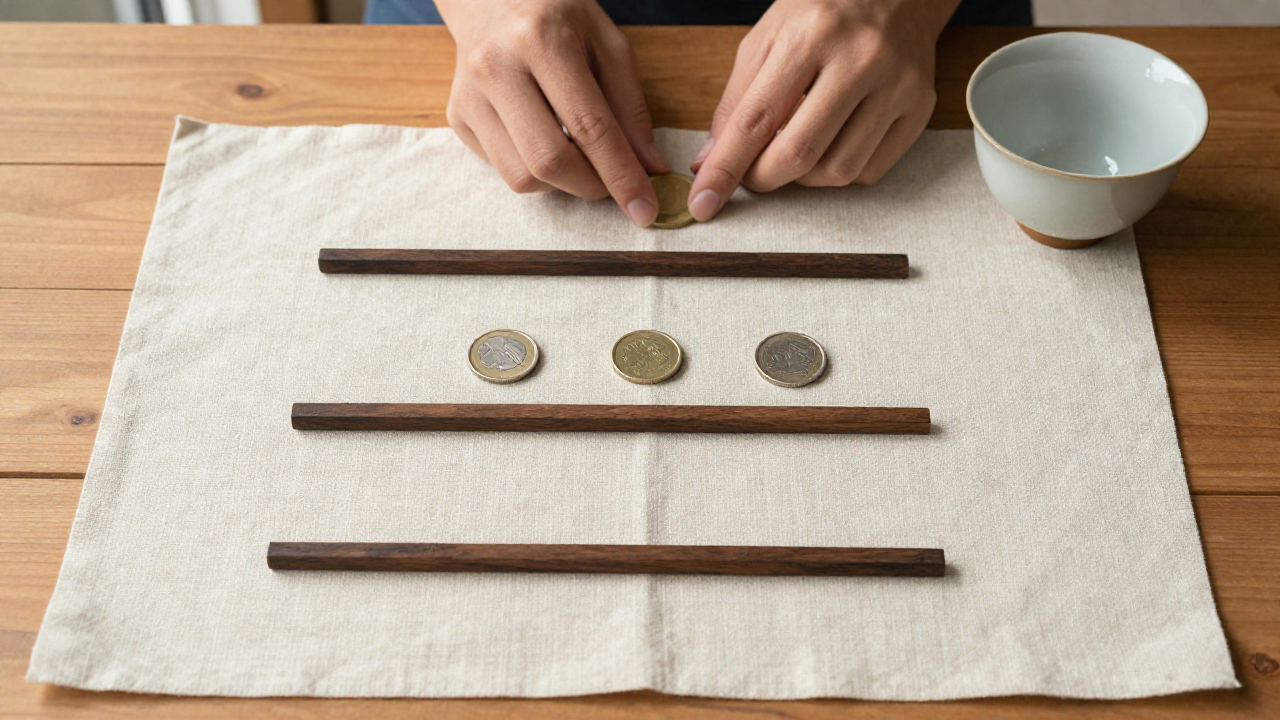
Combine a lower and upper trigram without guessing
A six-line hexagram can be described as two three-line trigrams. The first three recorded lines make the lower trigram, and the next three make the upper trigram. Keeping those halves separate is a practical way to verify a full pattern before using a lookup table or opening commentary.
Do not begin by selecting two attractive trigram names. Begin with the six individual lines. Divide the written record into its lower and upper groups only after it is complete. This matters because a single changed or misread line can alter one group and lead to a different hexagram entry.
A simple check is to say the process aloud in plain terms: here are the lower three lines, here are the upper three lines, and together they make the six-line record I am looking up. That sentence keeps the task concrete. It also leaves room for a reader to revisit the record if a note was copied incorrectly.
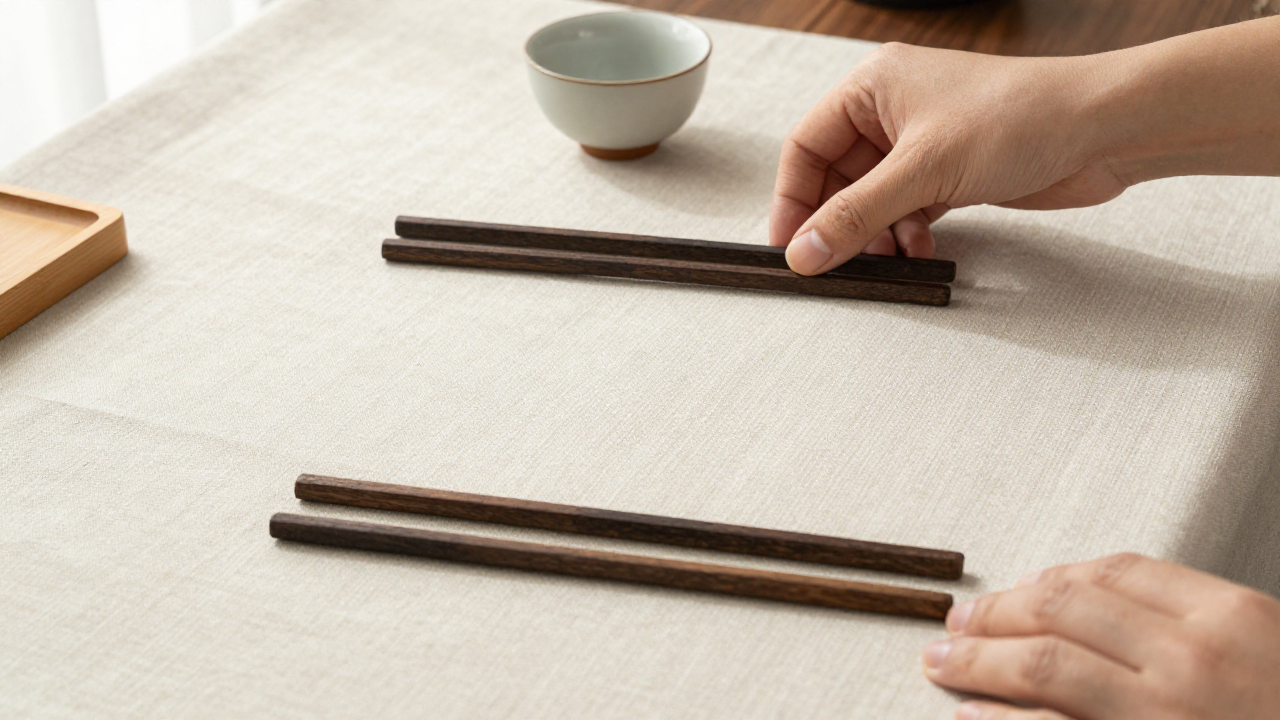
Use trigram names as lookup context
Names for trigrams are useful reference handles. They can help organize a table, point to an entry in a translation, or give a learner a concise way to discuss which half of a hexagram is under review. Use the names after the pattern is recorded, not as a shortcut around the three lines.
Different books may emphasize different associations, translations, or teaching language. Treat those variations as context for reading rather than a contest for the one final label. A lookup becomes more careful when you can return to the lower and upper line groups and show why a particular entry was chosen.
For a first reading, keep the lookup note short: record the lower trigram, record the upper trigram, identify the full hexagram, and then read the relevant text in layers. The trigram names support orientation. They do not remove the need to keep changing lines, translation choices, and real-world evidence separate.
Keep a trigram separate from a prediction
A trigram can be meaningful as part of a traditional text and a cultural practice without becoming a prediction engine. It may offer a vocabulary for reflection, tension, balance, or a question worth discussing. It cannot establish what another person will do or prove which high-stakes decision is correct.
When a reader feels pressure to reach a certain answer, return to the practical question outside the cast. What facts are available? What conversation is needed? What small step can be checked in ordinary life? Those questions belong to the person making the decision, while the trigram remains a limited part of a reading record.
For health, safety, legal, financial, or relationship decisions, use appropriate evidence and support. A trigram should not be used to justify a risk, dismiss a warning, or avoid a difficult conversation. Keeping that boundary clear makes the cultural reference more honest and the eventual decision more responsible.

A trigram lookup check
- Record the first three lines from bottom to top before naming a trigram.
- Keep solid and broken lines visible instead of relying on memory.
- Treat the first group as the lower trigram and the next group as the upper trigram.
- Use trigram names to orient a lookup after the six-line record is complete.
- Keep real decisions grounded in communication, evidence, and appropriate support.
I Ching trigram questions
What is an I Ching trigram?
An I Ching trigram is a three-line pattern of solid or broken lines. It can form the lower or upper half of a six-line hexagram.
How many lines are in a trigram?
A trigram has three lines. A hexagram has six lines and can be understood as a lower and an upper trigram.
How do two trigrams make a hexagram?
Record six lines in order, then group the first three as the lower trigram and the next three as the upper trigram. Together they make the six-line pattern used for a hexagram lookup.
Can a trigram predict what will happen?
No. A trigram is part of a traditional reading and cultural reference. It cannot prove future events or replace evidence and judgment for real decisions.