How to Split Upper and Lower Trigrams in an I Ching Hexagram
A focused guide to upper and lower trigrams, with facts, practical checks, context, and clear limits.
For upper and lower trigrams, for upper and lower trigrams, for upper and lower trigrams, for upper and lower trigrams, lines one through three form the lower trigram. The split records structure; it does not guarantee an outcome.
Upper And Lower Trigrams lookup details
- Lower trigram
- Lines one through three form the lower trigram.
- Upper trigram
- Lines four through six form the upper trigram.
- Reading order
- Line positions are counted from the bottom upward.
- Combined figure
- The two trigrams together form one six-line hexagram.
- Claim limit
- The split records structure; it does not guarantee an outcome.
Step 1: Number the six lines from the bottom
Step 1: Number the six lines from the bottom starts with one observable detail rather than a broad interpretation. In this upper and lower trigrams question, Lower trigram: Lines one through three form the lower trigram. Record the exact date, object, sequence, material, or family convention that supports the answer before moving further.
Write down the source and the feature that supports this conclusion. Upper trigram: Lines four through six form the upper trigram. If another source follows a different convention, preserve that difference instead of forcing a single universal answer.
This resolves the immediate task in Step 1: Number the six lines from the bottom without treating the nearby image as evidence of a universal rule. Use the linked background guide when upper and lower trigrams needs a wider cycle, system, material, or planning context.
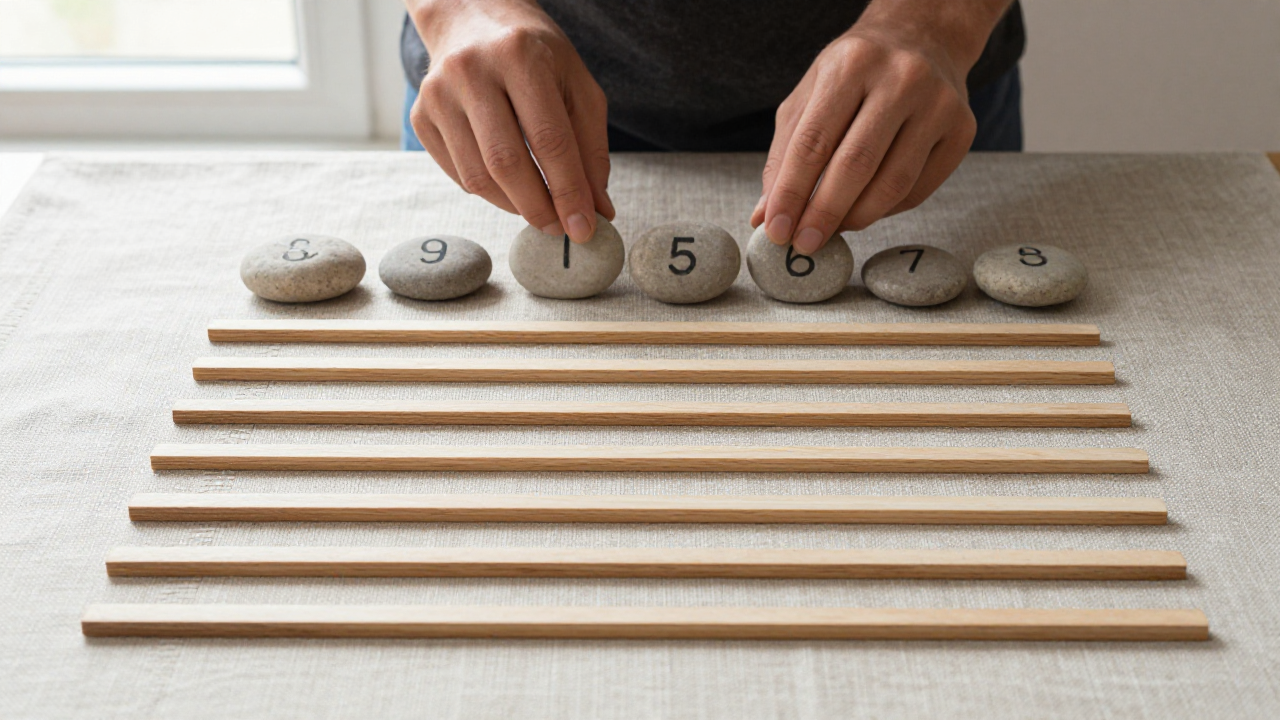
Group lines one through three
For Group lines one through three, separate what can be seen or calculated from what is merely associated with upper and lower trigrams. The working fact is: Upper trigram: Lines four through six form the upper trigram. This gives the reader a concrete point that can be checked again.
Apply the point by naming the observed feature first and the interpretation second. Reading order: Line positions are counted from the bottom upward. That order makes the note easy to revise when a date, label, texture, sequence, or preference changes.
The result should be a short testable note: what was observed, which convention was used, and what upper and lower trigrams cannot establish. That is more useful than a prediction because another person can review it.
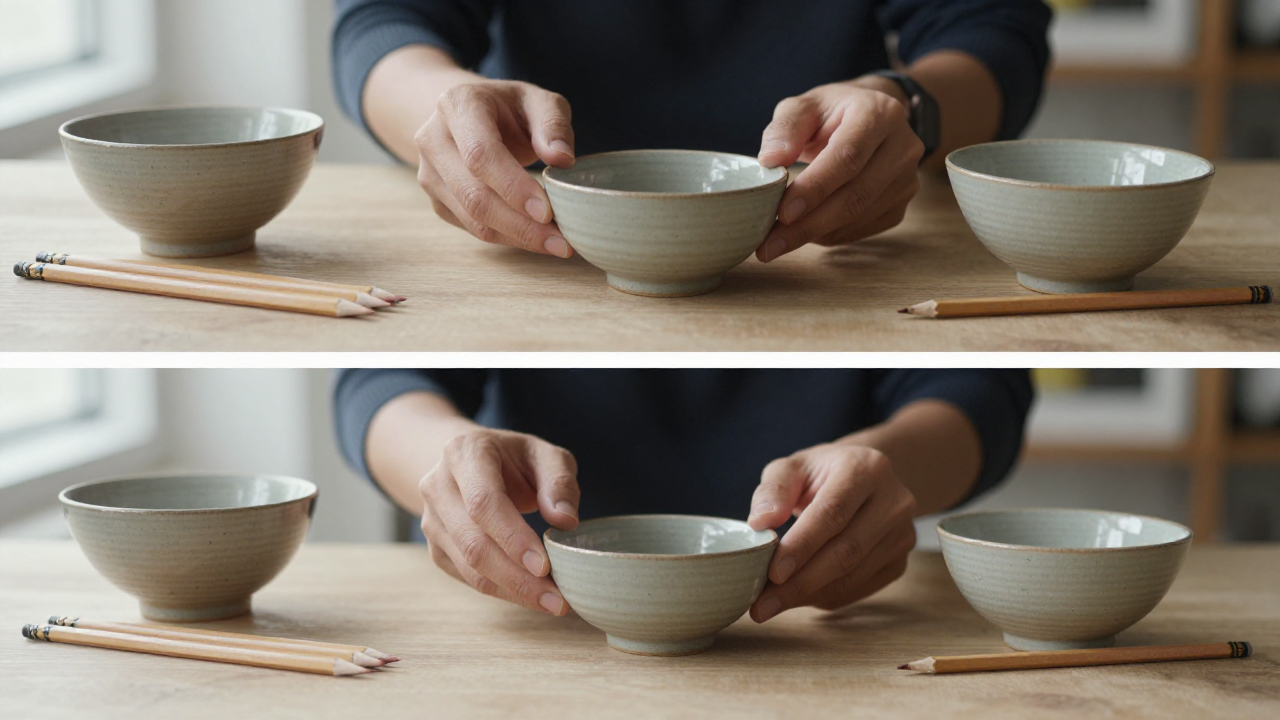
Group lines four through six
Group lines four through six works best as a side-by-side check. Reading order: Line positions are counted from the bottom upward. Use the same basis for each item, and keep differences in method, language, timing, or household practice visible.
A fair comparison keeps the surrounding context in view. Combined figure: The two trigrams together form one six-line hexagram. Similar-looking objects or labels can serve different purposes across methods, products, families, and cultural settings.
Keep this conclusion separate from the following section. Group lines four through six answers one part of the upper and lower trigrams lookup, while the next section handles a different comparison or decision.
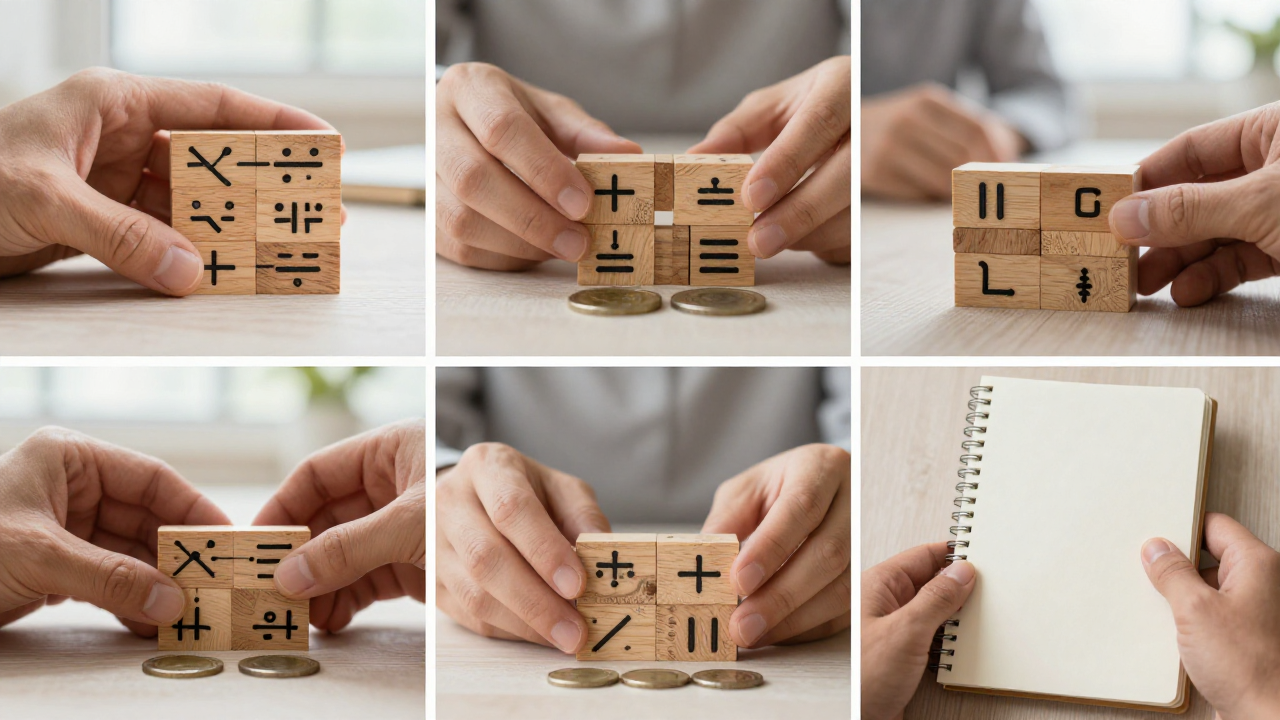
Name each trigram from its line pattern
The main risk in Name each trigram from its line pattern is allowing a useful label to carry more certainty than it deserves. For upper and lower trigrams, Combined figure: The two trigrams together form one six-line hexagram. State the boundary beside the interpretation so the two are not confused.
This distinction also prevents overclaiming. Claim limit: The split records structure; it does not guarantee an outcome. Symbolic language may describe an association, but it cannot prove health, character, ancestry, compatibility, luck, or future events.
Readers can use this point as cultural or practical context, not personal advice. Current instructions, direct evidence, professional guidance, and family preferences remain controlling where relevant.
Recombine the parts before interpretation
Treat Recombine the parts before interpretation as the final verification stage for this part of upper and lower trigrams. Claim limit: The split records structure; it does not guarantee an outcome. Return to the source or physical example whenever a boundary date, material condition, or local custom could alter the result.
Finish with both the finding and its limit. Lower trigram: Lines one through three form the lower trigram. Include enough detail for another reader to repeat the check and understand why the conclusion remains narrow.
After this pass, the reader should be able to explain Recombine the parts before interpretation in plain language and name the remaining uncertainty. That leaves a traceable reason to revisit the upper and lower trigrams conclusion later.
A practical upper and lower trigrams check
- Number the six lines from the bottom
- Group lines one through three
- Group lines four through six
- Name each trigram from its line pattern
- Recombine the parts before interpretation
Upper And Lower Trigrams questions
What is the lower trigram?
Lines one through three form the lower trigram. Use the page's date, material, family, or context check before applying that point more broadly.
What is the upper trigram?
Lines four through six form the upper trigram. Use the page's date, material, family, or context check before applying that point more broadly.
Are trigrams read from the bottom?
Line positions are counted from the bottom upward. Use the page's date, material, family, or context check before applying that point more broadly.
Do two trigrams always make a hexagram?
The two trigrams together form one six-line hexagram. Use the page's date, material, family, or context check before applying that point more broadly.