Yarrow Stalks I Ching Online: Method, Record, and Limits
Learn how yarrow-stalk I Ching readings are recorded online, including setup, line values, changing lines, and limits.
Quick Answer: A yarrow-stalk I Ching reading online can guide the counting logic and record line values, but it should not claim to reproduce every physical ritual condition or guarantee a prediction.
Yarrow online method facts
- Core method
- Yarrow-style readings build six lines from repeated counting operations.
- Record order
- Lines are recorded from bottom to top.
- Line values
- Changing and stable lines must be kept distinct.
- Online limit
- A web page can model logic but not every physical ritual condition.
- Use boundary
- Read as reflection, not certainty.
Name the yarrow method before reading the result
Yarrow-stalk I Ching readings are slower and more procedural than a simple one-click answer. An online page should say which yarrow-style logic it follows before the reader starts interpreting the result.
That method label matters because variants exist. If the page skips the method and jumps straight to a hexagram, the record is less useful for review.
Start by noting the question, the method name, and the date of the reading. The record should be clear enough to revisit without guessing how the result was produced.

Follow the line-building sequence from the bottom
A hexagram is not written from the top down like an ordinary list. The first generated line becomes the bottom line, and each later line is stacked above it.
For beginners, this order is the easiest place to make a mistake. A clean record uses six numbered positions internally, while the visible reading can still explain the figure in plain language.
If the online tool displays the full hexagram immediately, still copy the line order into a note. The note gives the interpretation something stable to refer to.
Separate stable lines from changing lines
In a yarrow-style reading, the result is not only solid or broken. Line values show whether a line is stable or changing, which affects how the reading is reflected on.
Changing lines can point toward a relating hexagram, but they should not be turned into an automatic command. Treat them as places where the situation may be under pressure or in motion.
Write the primary hexagram, the changing positions, and the relating figure separately. That prevents one crowded note from flattening the reading.
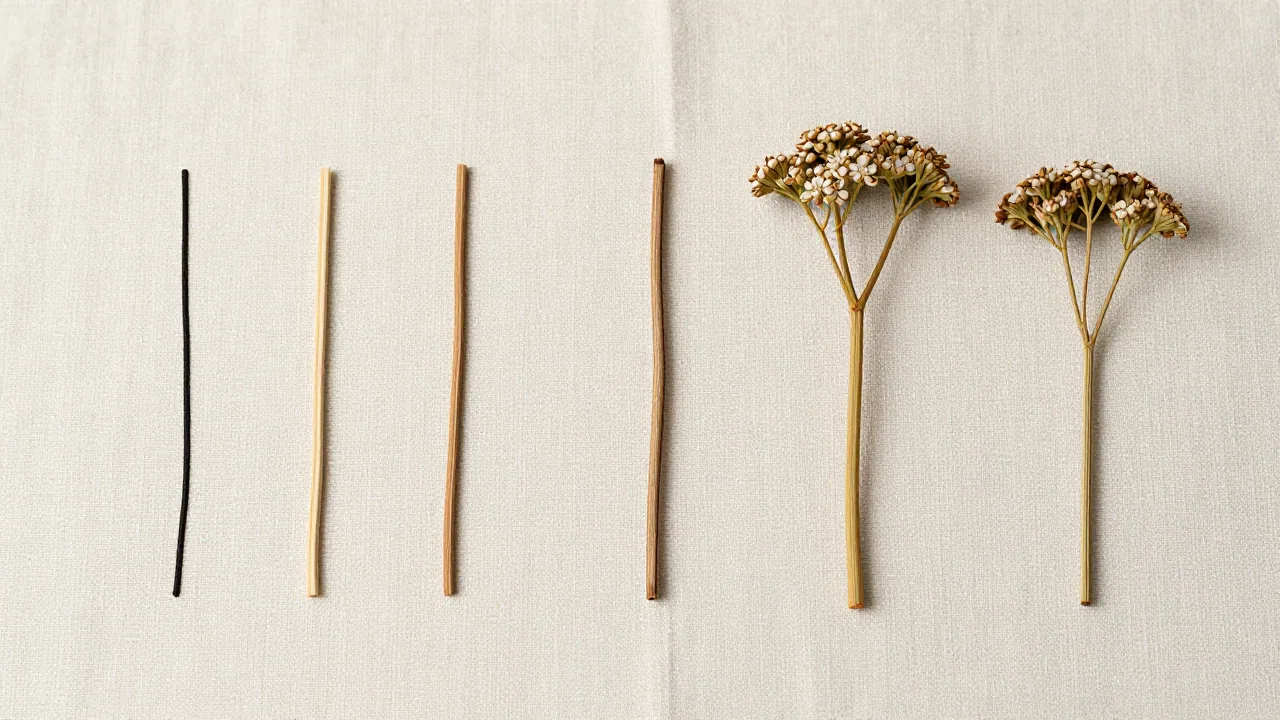
Use online guidance without pretending it is identical to ritual handling
An online guide can explain the steps, keep a record, and help a beginner avoid line-order mistakes. It cannot prove that the physical handling of stalks, timing, or personal ritual has been reproduced in full.
That limit does not make the page useless. It simply tells the reader what kind of support the tool offers: structure, memory, and interpretation notes.
When accuracy of tradition matters, compare the online method with a source that names the yarrow procedure being followed.
Turn the reading into one modest next step
After recording the result, choose one practical reflection question. The best next step is usually small, reversible, and tied to the original question.
Do not use an online reading to decide high-stakes matters by itself. Professional, safety, medical, legal, financial, and mental-health choices need appropriate advice.
A responsible reading ends with a note you can actually review later: question, method, lines, interpretation, and one careful action.
Yarrow online reading record
- Write the question before generating lines.
- Record the yarrow method or tool statement.
- Write six lines from bottom to top.
- Mark stable and changing lines separately.
- End with one modest reflection step.
Yarrow I Ching online questions
Can I do a yarrow-stalk I Ching reading online?
Yes, if the page explains or models a yarrow-style method and you keep the result record clear.
Is online yarrow identical to physical stalks?
Not necessarily. Online pages can model logic, but they should not overclaim full ritual equivalence.
What should I record first?
Record the question, method, primary hexagram, changing lines, and any relating hexagram.
Do changing lines predict the future?
No. Use them as reflective points, not guaranteed outcomes.
Which direction are lines recorded?
Record lines from bottom to top.