I Ching for Beginners: A First Reading Without Overclaiming
Learn a beginner I Ching workflow: ask one clear question, record the hexagram and changing lines, and reflect without treating symbolism as certainty.
Quick Answer: For a first I Ching reading, write one focused question, record the date, method, six-line result, primary hexagram, changing lines, and source text, then compare the symbolism with the real situation before choosing one modest, reversible next step.
First-reading facts
- Best first question
- One specific situation you can observe or influence.
- Record before reading
- Write the date, method, question, context, and result before interpretation changes the memory.
- Line order
- A six-line hexagram is recorded from the bottom line upward.
- Changing lines
- Changing lines can prompt reflection and may point toward a relating hexagram.
- Use limit
- Treat the reading as cultural symbolism, not guaranteed prediction or professional advice.
- Next step
- Close with one modest, reversible action or observation to review later.
Start with one question you can actually examine
A first I Ching reading works best when the question is narrow enough to examine. Instead of asking what will happen to your whole life, write one situation you can observe: a conversation you are preparing for, a choice you are weighing, or a project stage that feels unclear. This keeps the reading attached to a real context rather than turning it into a demand for certainty.
The question should be open but not vague. A useful beginner question might ask what deserves attention, what tension is present, or what attitude would help you act more carefully. A question that asks for a guaranteed yes or no usually encourages overclaiming, because the text becomes a verdict instead of a prompt for reflection.
Keep the time frame visible. If the reading is about tomorrow's meeting, next month's planning decision, or one difficult email, say that in the note. Do not pack several unrelated questions into one cast. When a question is too broad, every line can seem to point everywhere, and the record becomes hard to review later.
A practical test is whether you could reread the question one week later and know exactly what situation it described. If the answer is no, narrow the question before casting. This small discipline makes the reading easier to compare with later events without pretending that every event was hidden in the text.

Record the method before interpreting the result
Before generating the result, open a notebook or digital note and record the date, local time, question, method, and a short description of the situation. The point is not ceremony. It is to stop the question from quietly changing after you see the hexagram. A clear record lets you distinguish what you asked from what you later hoped the reading would say.
If you use coins, note the coin method and the head or tail assignment you followed. If you use the site's coin-reading guide or tool route, record the tool name and the exact result it gives. The method should be consistent for that reading, and the result should not be redrawn simply because it feels inconvenient.
A common six-line result is recorded from the bottom line upward. Write down the primary hexagram, any changing lines, and the relating hexagram if the method produces one. Also note the translation or source text you consulted. The existing coin-reading material can remain the practical place to generate a result; this page explains how to frame and document that result responsibly.
If the source gives a hexagram name, number, and changing line text, copy those pieces before adding your own interpretation. That order prevents the note from becoming a memory of your reaction rather than a record of the result. It also lets you compare readings across translations without losing the original output.
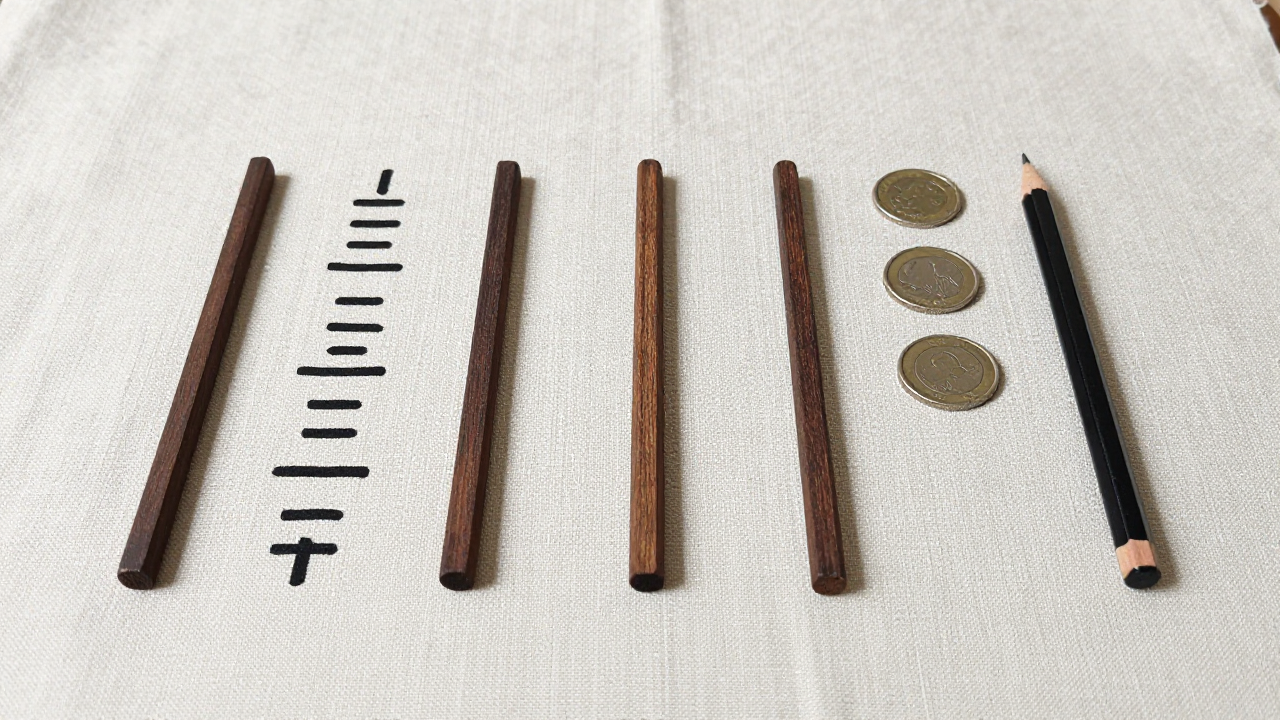
Read the hexagram and changing lines as prompts
Start with the hexagram image, judgment, and line text in the source you selected. Ask what posture, timing, tension, or relationship the language brings to mind. Then compare those themes with the situation you wrote down before the result appeared. This order matters: the written situation keeps interpretation from drifting into whatever feels dramatic in the moment.
Changing lines deserve attention, but they do not need to become a fixed script. Treat them as prompts about what may be shifting: what action is encouraged, what action is cautioned, what assumption may need review, or what pressure is changing the situation. Keep the language conditional and practical.
Beginners often search for the one correct meaning immediately. That can flatten the reading. Classical text, commentary, translation choices, and personal context all shape interpretation. It is more useful to write two or three themes that stand out than to force the entire result into one prediction.
A careful beginner can ask, what does this language make me notice that I was already avoiding? That question keeps interpretation grounded. It allows the reading to become a structured pause, not an authority that overrides responsibility.
Separate the text from your real situation
A simple two-column note can prevent overreading. In one column, write the words, images, or tensions that stood out in the hexagram and changing lines. In the other, write the concrete facts of your situation: who is involved, what has already happened, what evidence you have, and what remains uncertain.
This separation helps because symbolic language can feel persuasive even when it does not match the facts. If the text suggests caution, ask what facts actually call for caution. If it suggests movement, ask what movement is realistic, reversible, and responsible. The reading should sharpen attention, not erase judgment.
For serious decisions, keep the boundary explicit. Do not use the I Ching as a substitute for medical care, mental-health support, legal advice, financial analysis, safety planning, or other qualified help. A cultural and reflective practice can sit beside evidence and responsibility, but it cannot replace them.
This is also where a reading can be most useful. It may reveal that you lack facts, that your question contains two separate problems, or that you are looking for certainty where a smaller experiment would be wiser. Those are practical observations, not supernatural guarantees.
End with one modest next step
Close the reading with one or two next steps that are small enough to observe. You might prepare one better question for a meeting, wait for missing information before committing, review an overlooked part of a plan, or write down what would change your mind. The action should be reversible when possible.
Avoid ending with a dramatic claim such as the reading has decided everything. A beginner record is more useful when it says what you will watch, what you will do next, and when you will review the note. Later review can show how your understanding changed as events unfolded, without claiming that the reading predicted the event.
This approach keeps the I Ching useful for a first reader. The question is visible, the method is visible, the hexagram and changing lines are preserved, and the conclusion stays modest. That is enough for a responsible first reading, and it gives you a record you can compare with future readings without pretending that symbolism is certainty.
Over time, these records can show patterns in your questions: which decisions you revisit, which assumptions repeat, and which situations become clearer after a pause. That record of attention is often more valuable than trying to prove that a single reading controlled the outcome.

First reading record checklist
- Write one focused question before generating a result.
- Record the date, method, context, and source text.
- Write the six lines from bottom to top and mark changing lines.
- Separate symbolic language from the facts of the situation.
- Choose one modest next step and review the note later.
Beginner I Ching questions
How should a beginner start an I Ching reading?
Start with one focused question, record the date and method, generate one result consistently, read the image and changing lines, and end with a modest practical reflection. Do not begin by demanding a guaranteed prediction.
Should I ask the same I Ching question more than once?
Avoid repeating the same unchanged question simply to obtain a preferred answer. Consider another reading only when the situation or question has materially changed, and keep the earlier record.
What should I write down after a reading?
Record the question, date and time, method, six-line result or tool output, primary hexagram, changing lines, relating hexagram if available, source text, interpretation notes, and one practical next step.
Can the I Ching predict the future with certainty?
No. Treat the I Ching as a classical symbolic and reflective tradition. It does not guarantee events, and it should not replace medical, legal, financial, safety, or other qualified professional advice.
Does this guide replace a coin-reading tool?
No. A coin-reading guide or tool can generate the result. This page provides a beginner workflow for framing the question, documenting the output, and interpreting it without overclaiming.