I Ching Trigrams Meaning: Eight Names and Hexagram Context
Learn what I Ching trigrams mean, how three-line groups form hexagrams, and how to keep interpretation tied to a source.
Quick Answer: I Ching trigrams are three-line figures used as building blocks inside hexagrams. A full hexagram combines a lower trigram and an upper trigram, so trigram meaning should be read with position, source, and the six-line record.
Trigram basics facts
- Unit size
- A trigram has three lines.
- Hexagram structure
- A hexagram combines lower and upper trigrams.
- Record order
- Six-line records are usually built from bottom to top.
- Source boundary
- Meaning should cite the source being used.
- Interpretation limit
- One trigram does not decide the whole reading.
Name the eight trigrams before interpretation
Name the eight trigrams before interpretation starts with the concrete reader task behind i ching trigrams meaning. The useful answer is not a universal label; it depends on the object, record, ritual, number, dream scene, material, or family context being checked. For I Ching trigram lookup, that first boundary keeps the page practical.
The name list comes before meaning because the record must be stable. The opening section asks the reader to identify what is actually present before interpretation: the visible clue, the source, and the decision being made. That prevents the keyword from becoming a broad symbolic shortcut.
End this first pass with one narrow sentence: what was checked, what source was used, and what remains outside the claim. That record makes the article useful without promising luck, fate, health, identity, or guaranteed results.
Place one trigram below and one above
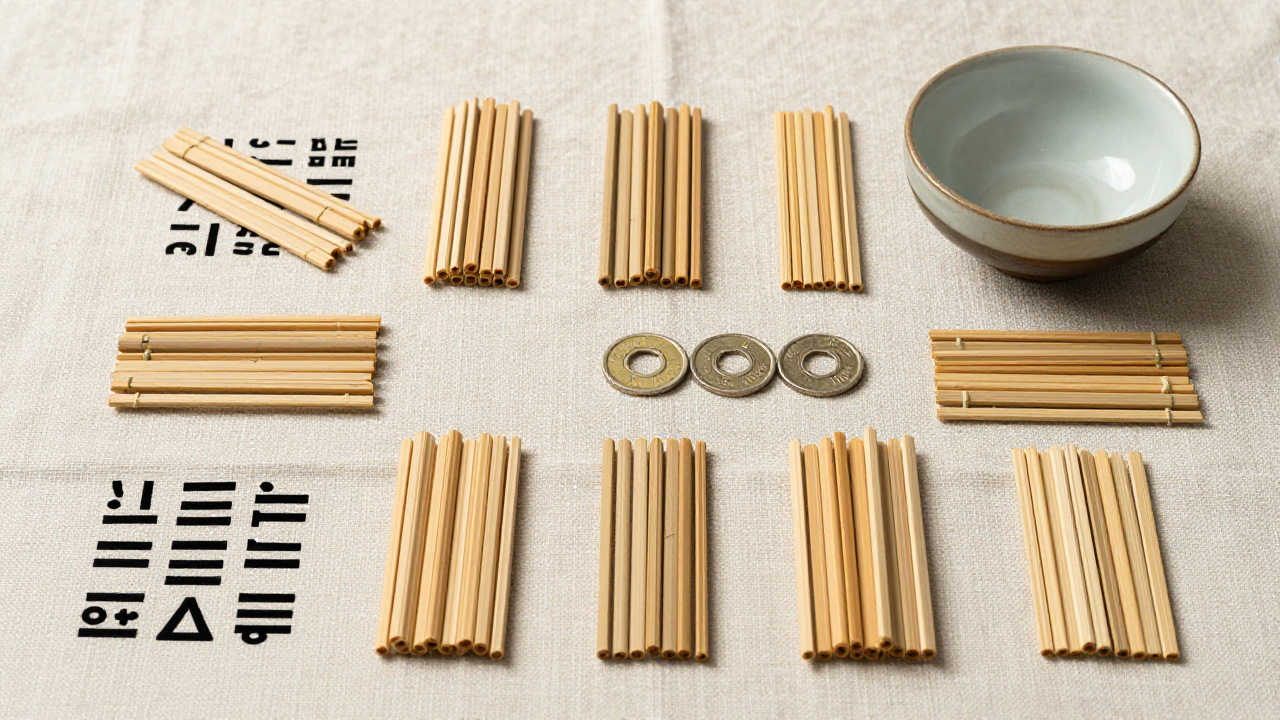
Place one trigram below and one above moves from the first clue to comparison. The reader should compare the nearby context for i ching trigrams meaning: whether the issue is practical, cultural, symbolic, material, or documentary. Different contexts need different evidence.
Position matters once two trigrams combine. This section therefore separates what the page can say from what it should leave alone. It can explain a pattern, method, or etiquette point, but it should not turn a tradition or object into proof about a personal outcome.
A good note here is specific enough to be checked later. Name the comparison, name the limit, and link the reader to the next relevant guide instead of repeating a general definition.
Use three-line groups to avoid lookup mistakes
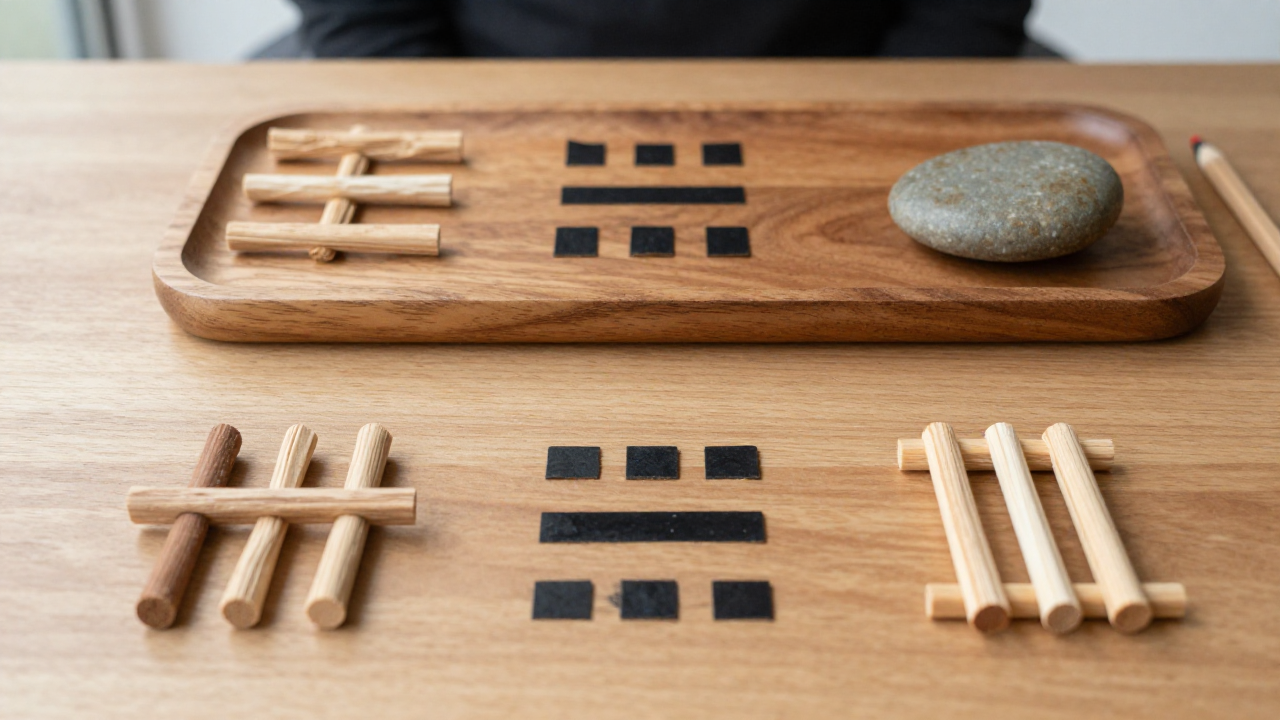
Use three-line groups to avoid lookup mistakes is the article's error-control section for i ching trigrams meaning. It catches the moment when a reader may jump from a visible fact to a bigger conclusion than the evidence supports.
Grouping reduces six-line lookup errors. The safer move is to ask what would change the answer. A wrong date, missing source, unclear ingredient, uncertain family record, or mismatched setting can all change the next step.
Keep the correction plain. The article can still be helpful while saying no to unsupported certainty, fixed predictions, invented customs, or claims that belong to another source.
Compare source wording without losing the record
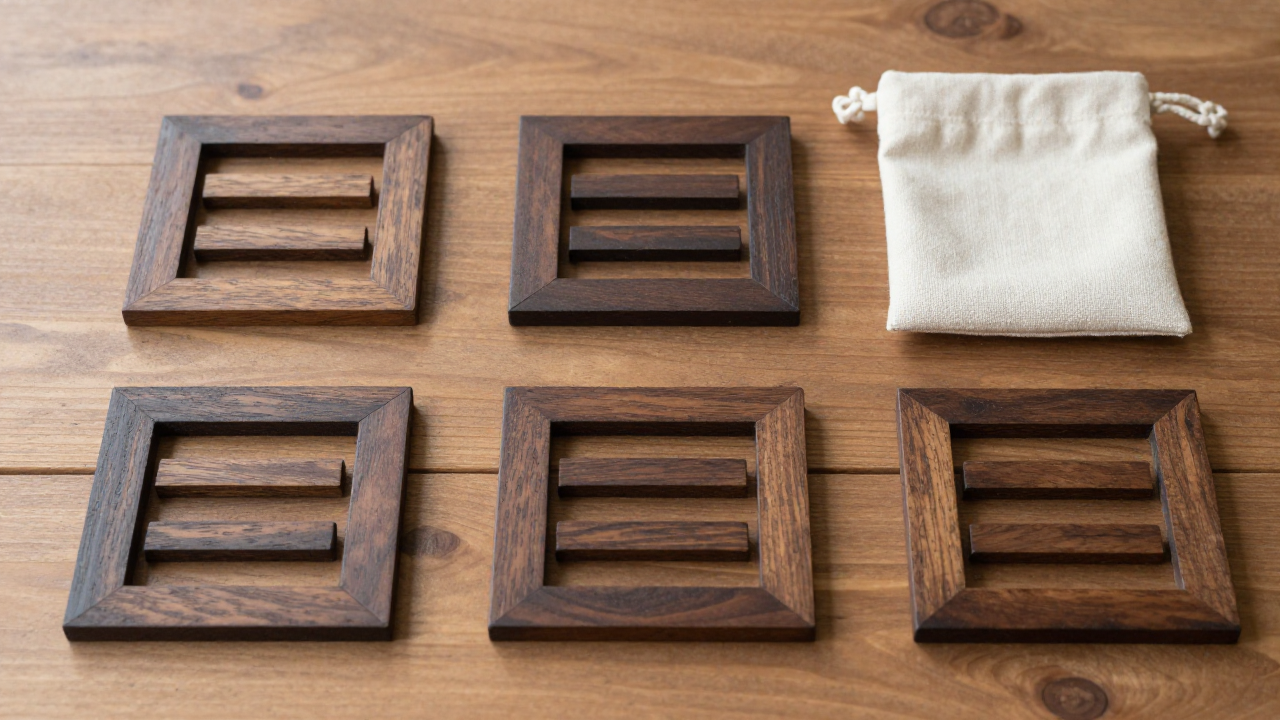
Compare source wording without losing the record brings the topic into an everyday decision. Instead of asking what i ching trigrams meaning means in the abstract, the reader checks how the page's advice fits the setting in front of them.
Translation differences are normal and should be recorded. That setting might be a form, a table, a travel bag, a dream note, a gift, or a reading record. The article should make the decision smaller, not inflate it into a complete personal profile.
The practical output is a short checklist item or source note. If the reader can act on it without believing a guarantee, the section has done its job.
Keep trigram meaning inside the whole hexagram
Keep trigram meaning inside the whole hexagram closes the explanation by preserving the source trail. For i ching trigrams meaning, the strongest ending is not a dramatic conclusion; it is a clear note about what was known and how it was used.
The full hexagram remains the interpretation frame. Source trails matter because cultural, symbolic, and practical topics are easy to flatten. A cited background source, an internal guide, and the visible facts keep the answer bounded.
Use the conclusion to state the next responsible step. Save the source, keep the context, and avoid passing the article's limited explanation along as a promise or diagnosis.
Trigram lookup checks
- Record all six lines.
- Separate the lower three and upper three lines.
- Name both trigrams from a source.
- Compare wording only after the record is stable.
- Read the full hexagram before applying meaning.
I Ching trigram questions
How many lines are in a trigram?
Three lines.
How many trigrams are in a hexagram?
Two: a lower trigram and an upper trigram.
Can one trigram answer a question?
Not by itself. It needs position and the full hexagram context.
Why do sources explain trigrams differently?
Translations and commentaries use different wording, so record the source.