I Ching Reader: Record the Method Before Reading Meaning
An I Ching reader is most useful when it preserves the question, casting method, primary hexagram, changing lines, and relating hexagram in order. It shoul
Quick Answer: An I Ching reader is most useful when it preserves the question, casting method, primary hexagram, changing lines, and relating hexagram in order. It should support reflection, not claim a guaranteed prediction.
Fields that make an I Ching reading traceable
- Input
- One focused, non-leading question.
- Line order
- Record from bottom to top.
- Changing values
- Six and nine indicate changing lines in common notation.
- Output
- Primary figure first, relating figure second.
- Boundary
- Reflection only; no guaranteed outcome.
Define the question the reader is answering
Define the question the reader is answering is the working question for this part of i ching reader. An I Ching reader is most useful when it preserves the question, casting method, primary hexagram, changing lines, and relating hexagram in order. It should support reflection, not claim a guaranteed prediction.
The useful record is specific: input means one focused, non-leading question. Readers should preserve the method, object, setting, or source that makes this point reproducible instead of relying on a loose association.
This distinction matters because line order changes how the answer should be used. Keep the conclusion proportional to the evidence and carry the stated limit into any family note, comparison, or practical decision.
Choose coins, yarrow stalks, or a digital method
Choose coins, yarrow stalks, or a digital method is the working question for this part of i ching reader. An I Ching reader is most useful when it preserves the question, casting method, primary hexagram, changing lines, and relating hexagram in order. It should support reflection, not claim a guaranteed prediction.
The useful record is specific: line order means record from bottom to top. Readers should preserve the method, object, setting, or source that makes this point reproducible instead of relying on a loose association.
This distinction matters because changing values changes how the answer should be used. Keep the conclusion proportional to the evidence and carry the stated limit into any family note, comparison, or practical decision.
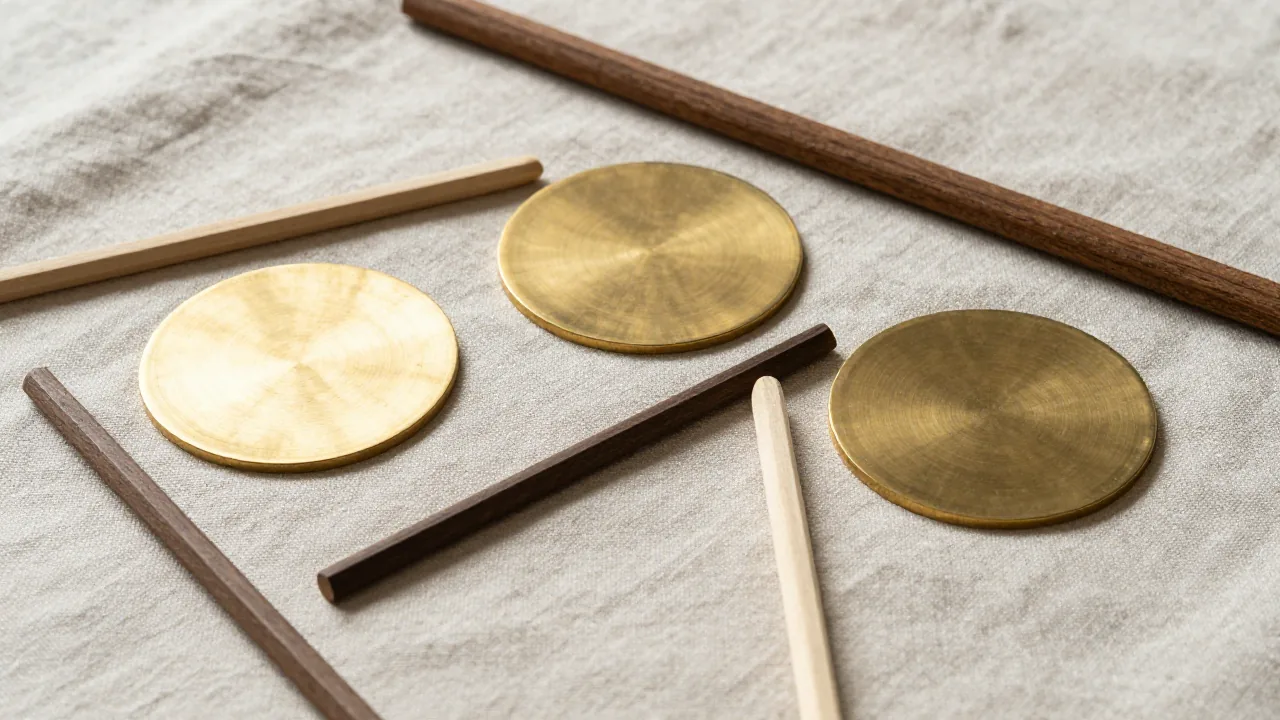
Build and record six lines from the bottom upward
Build and record six lines from the bottom upward is the working question for this part of i ching reader. An I Ching reader is most useful when it preserves the question, casting method, primary hexagram, changing lines, and relating hexagram in order. It should support reflection, not claim a guaranteed prediction.
The useful record is specific: changing values means six and nine indicate changing lines in common notation. Readers should preserve the method, object, setting, or source that makes this point reproducible instead of relying on a loose association.
This distinction matters because output changes how the answer should be used. Keep the conclusion proportional to the evidence and carry the stated limit into any family note, comparison, or practical decision.
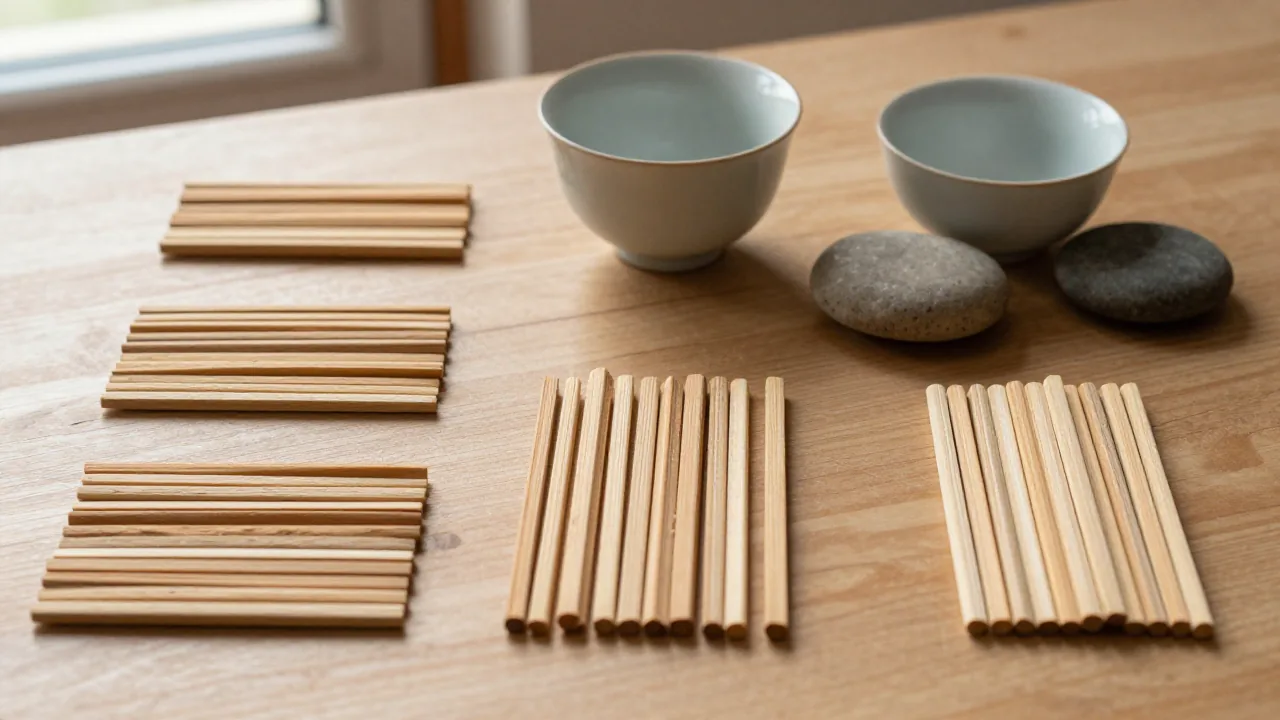
Read changing lines without losing the primary figure
Read changing lines without losing the primary figure is the working question for this part of i ching reader. An I Ching reader is most useful when it preserves the question, casting method, primary hexagram, changing lines, and relating hexagram in order. It should support reflection, not claim a guaranteed prediction.
The useful record is specific: output means primary figure first, relating figure second. Readers should preserve the method, object, setting, or source that makes this point reproducible instead of relying on a loose association.
This distinction matters because boundary changes how the answer should be used. Keep the conclusion proportional to the evidence and carry the stated limit into any family note, comparison, or practical decision.
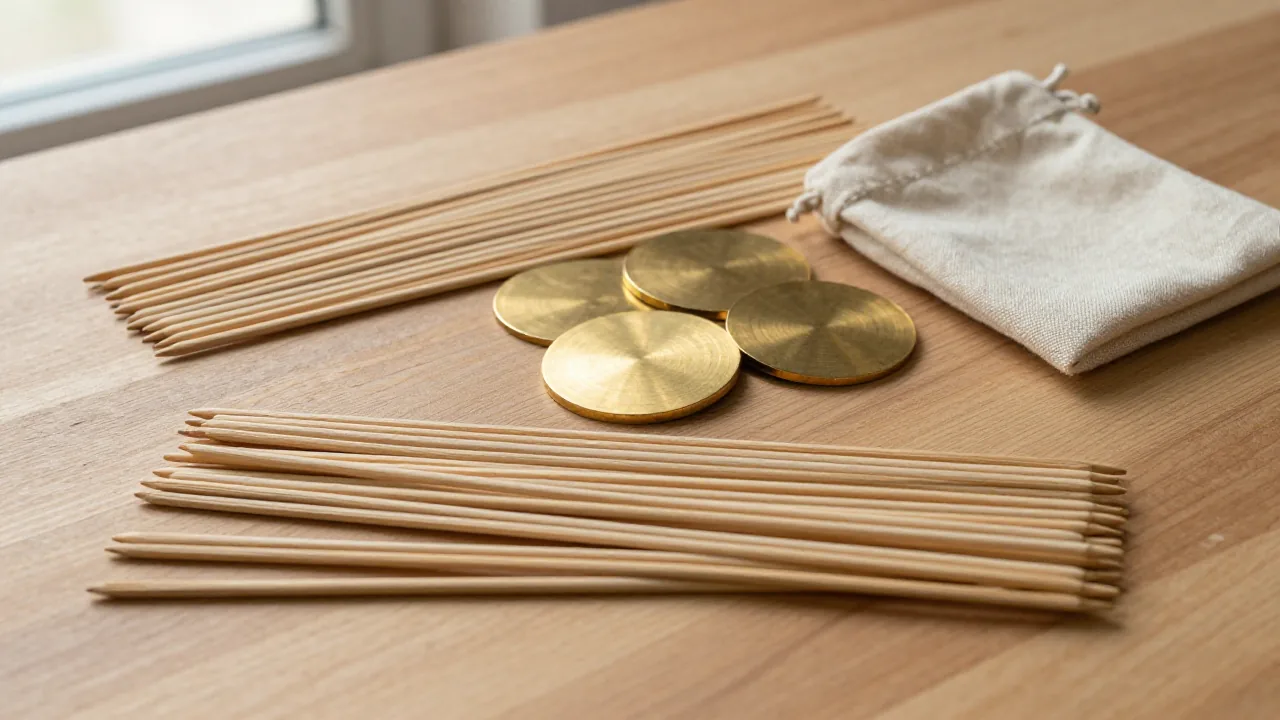
Translate the reading into one modest next observation
Translate the reading into one modest next observation is the working question for this part of i ching reader. An I Ching reader is most useful when it preserves the question, casting method, primary hexagram, changing lines, and relating hexagram in order. It should support reflection, not claim a guaranteed prediction.
The useful record is specific: boundary means reflection only; no guaranteed outcome. Readers should preserve the method, object, setting, or source that makes this point reproducible instead of relying on a loose association.
This distinction matters because input changes how the answer should be used. Keep the conclusion proportional to the evidence and carry the stated limit into any family note, comparison, or practical decision.
A traceable reading sequence
- define the question the reader is answering
- choose coins, yarrow stalks, or a digital method
- build and record six lines from the bottom upward
- read changing lines without losing the primary figure
- translate the reading into one modest next observation
Questions about using an I Ching reader
What should I enter into an I Ching reader?
One focused, non-leading question. Apply that point to the exact date, method, material, passage, scene, or family record described in the question.
Which line is recorded first?
Record from bottom to top. Apply that point to the exact date, method, material, passage, scene, or family record described in the question.
What do changing lines do?
Six and nine indicate changing lines in common notation. Apply that point to the exact date, method, material, passage, scene, or family record described in the question.
Can an online reader reproduce physical randomness?
Primary figure first, relating figure second. Apply that point to the exact date, method, material, passage, scene, or family record described in the question.
Can a reading replace professional advice?
Reflection only; no guaranteed outcome. Use the page as a bounded reference and check an appropriate primary or professional source when the decision carries real consequences.