I Ching King Wen Sequence Facts: Lookup Order and Limits
Learn how the I Ching King Wen sequence organizes hexagram lookup, why line records come first, and why a sequence number is not a prediction.
The King Wen sequence is the common traditional ordering of the 64 I Ching hexagrams. Use it as a shared lookup order after recording the six-line pattern; the sequence number is not a prediction, score, or verdict about a real decision.
King Wen sequence facts
- What it is
- The King Wen sequence is the familiar traditional ordering of the 64 I Ching hexagrams.
- What it helps with
- It gives a shared order for a table of contents, index, or edition lookup.
- What to record first
- Write the six-line pattern and any changing lines before searching a sequence.
- What it does not do
- The sequence number is not a score, date, personality type, or guaranteed result.
- Decision boundary
- Use ordinary evidence and qualified advice for health, money, safety, legal, or relationship decisions.
What the King Wen sequence is for
The King Wen sequence is a traditional order for the 64 I Ching hexagrams. Readers meet it in tables, books, websites, and indexes because it gives the full set a common arrangement. If two editions both use that order, a reader can find the same numbered entry even when translation wording, notes, or page design differ.
That practical function is easy to miss when a page gives only a number and a dramatic interpretation. A sequence is first an organizing tool. It helps you locate an entry after you have recorded a six-line pattern. It does not make the number a secret rating, a countdown, or evidence that a particular outcome must occur.
For a beginner, the useful question is simple: where does this pattern appear in the shared reference order? Keeping that question separate from a personal conclusion makes the lookup easier to repeat and compare.
Record the line pattern before opening a sequence table
Start with the cast or line record, not with the number you hope to find. A hexagram has six ordered lines, each solid or broken. Write the lines from bottom to top using the same convention as the tool or edition you are following. If a line is changing, note that separately rather than blending it into the first pattern.
Once the pattern is stable, a table can point you to a King Wen sequence entry. This order matters because a sequence page cannot repair a guessed line record. If the first line was copied upside down or a broken line was treated as solid, the lookup may send you to a different entry while still looking convincing on the screen.
A small notebook note can be enough: question, date, method, lower line through upper line, and any changing-line detail. The record lets you check the lookup later without relying on memory or reshaping the pattern around a preferred answer.

Use a sequence number as a lookup address, not a meaning by itself
A sequence number works like an address in a reference set. It tells you where a particular hexagram sits in this ordering. The number does not carry the whole interpretation on its own. Read the matching hexagram entry, translation, commentary, and your original question as separate pieces rather than reducing a reading to one label.
Different guides may foreground names, trigrams, line positions, or historical notes. Those differences do not require a reader to pick a winner immediately. The important consistency check is that the line pattern, the matched entry, and the source being read all refer to the same hexagram.
This approach also protects beginners from a common shortcut: treating a number that feels lucky or ominous as a conclusion. The I Ching sequence is not a fortune scale. It is a route through a reference library.
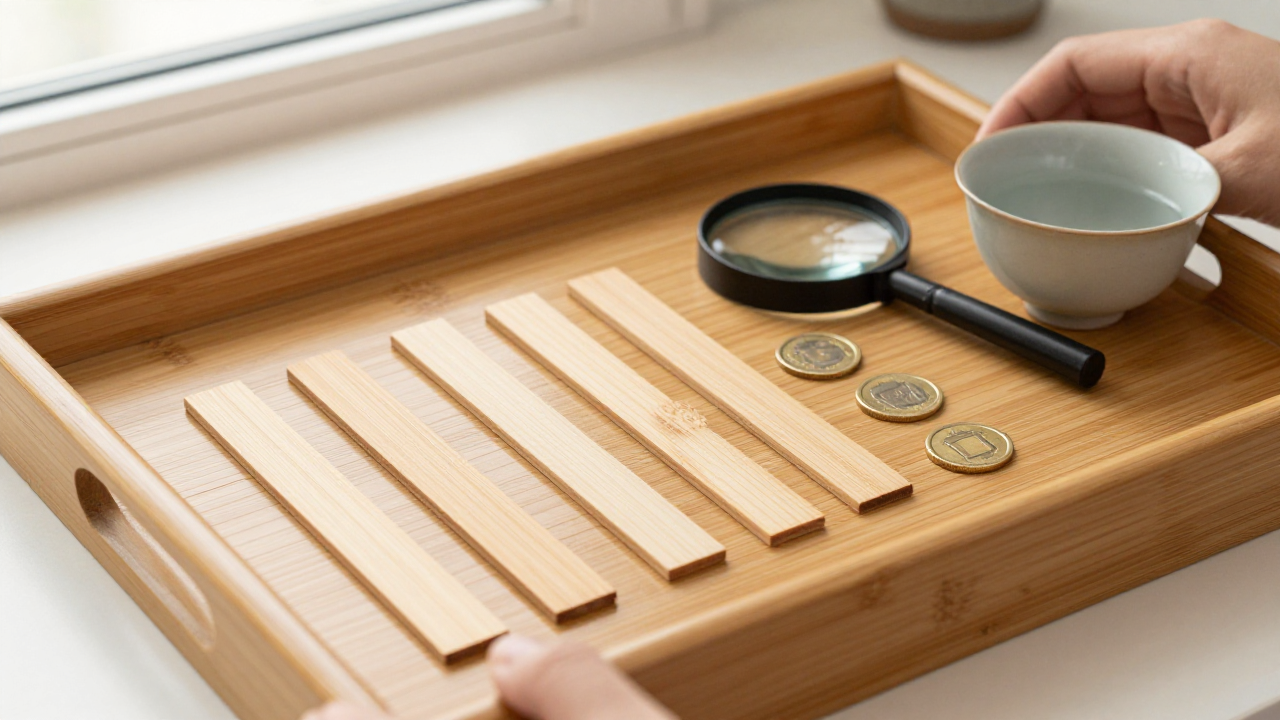
Compare the sequence with trigrams and changing-line notes
A sequence table is useful, but it is not the only way to orient a hexagram. The six lines can also be described as a lower trigram and an upper trigram. Comparing those two views can help a learner notice structure, while the King Wen number makes it easier to find the full entry in an edition or site index.
Changing-line notes belong beside, not inside, the initial lookup. First identify the original six-line figure. Then record which lines change and, if the method uses it, identify the relating figure. Jumping directly to a changed result can hide the pattern that the sequence number was supposed to help you locate.
Use each tool for its narrow job: line record for accuracy, trigrams for structure, sequence order for navigation, and a written note for reflection. Separating those jobs makes the process more transparent than asking one number to do all of them.
Keep the sequence out of a real-world verdict
A traditional order can support study and reflection without deciding a real situation. It cannot determine whether a relationship is safe, whether a job offer is sound, whether medical care is needed, or whether money should be committed. Those questions need direct information, communication, and appropriate professional help.
If a passage feels relevant, use it as a prompt to name an ordinary next step: ask a clearer question, gather a document, wait for evidence, or talk with the person involved. The next step should still make sense for someone who never opens an I Ching table.
That boundary does not diminish the sequence. It gives the reference order an honest role: a shared map for finding a text, then a chance to reflect without pretending that a number has already settled the future.
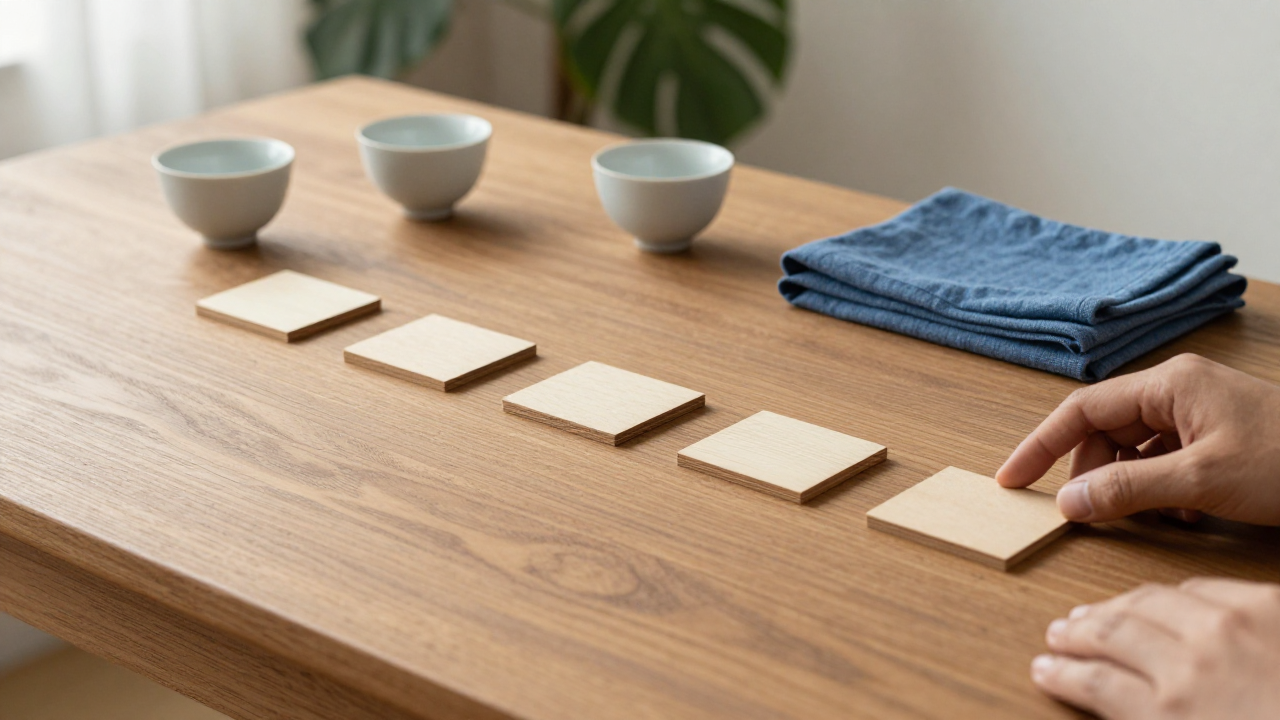
A King Wen sequence lookup check
- Write the full six-line pattern before using a table.
- Record lines in one consistent bottom-to-top order.
- Use the sequence number to find an entry, not to label an outcome.
- Keep trigram structure and changing-line notes as separate checks.
- Choose a real-world next step using evidence outside the reading.
King Wen sequence questions
What is the King Wen sequence in the I Ching?
It is the common traditional ordering of the 64 I Ching hexagrams, used as a shared reference order in many tables and editions.
Does a King Wen number tell me what will happen?
No. It identifies an entry in a reference order. It is not a prediction, personal score, or guaranteed result.
Should I find the number before recording the lines?
No. Record the six-line pattern first. The sequence is most useful after you have a stable pattern to look up.
How do changing lines relate to the King Wen sequence?
Identify the original hexagram first, then keep changing-line notes separate. A relating hexagram may be recorded after the initial lookup.